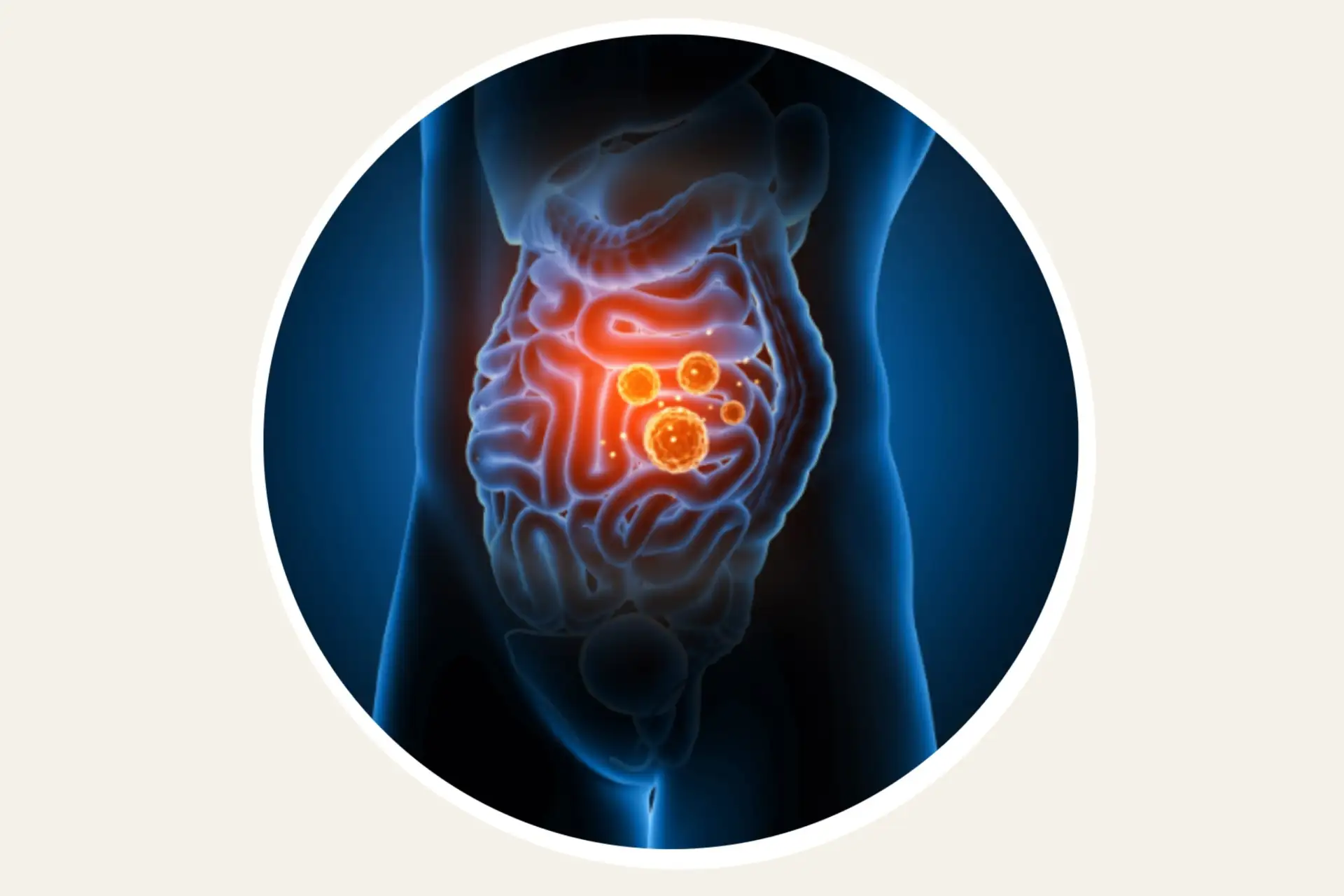
When You’ve Been Told It’s “Just IBS” — But You’re Still Not Better – Many patients are diagnosed with Irritable Bowel Syndrome (IBS) after routine testing appears normal. They’re often told to increase fiber, reduce stress, or follow a low-FODMAP diet. Yet symptoms persist.

IBS is a description of symptoms — not a root cause.

You may benefit from advanced evaluation if you experience:

Any of the following:

  • Chronic bloating after meals

  • Gas that is excessive or foul-smelling

  • Alternating constipation and diarrhea

  • Diarrhea shortly after eating

  • Incomplete bowel movements

  • Food reactions without true allergies

  • Reflux or upper abdominal discomfort

  • Unexplained fatigue

  • Brain fog

  • Skin issues (acne, eczema, rashes)

  • Sugar cravings

  • History of antibiotics

  • History of food poisoning

  • Symptoms triggered by stress

  • Symptoms worsening after travel

  • Vaginal yeast infections or recurrent UTIs

  • “Normal colonoscopy” but persistent symptoms

Section Image

Identifying what may be driving those symptoms, including:

  • Small Intestinal Bacterial Overgrowth (SIBO)
  • Small Intestinal Fungal Overgrowth (SIFO)
  • H. pylori infection
  • Parasites and intestinal worms
  • Pathogenic bacteria
  • Candida overgrowth
  • Gut dysbiosis (imbalanced microbiome)
  • Low beneficial bacteria strains
The goal is not simply symptom suppression — but restoration of microbiome balance and digestive resilience.

Section Image

Comprehensive Functional Testing May Include:

Advanced Stool Testing

  • Pathogenic bacteria
  • Parasites and worms
  • H. pylori
  • Yeast and fungal overgrowth
  • Inflammatory markers
  • Digestive enzyme output
  • Microbiome diversity and beneficial strains

Section Image

SIBO, Food Intolerance & Immune Testing

SIBO Breath Testing:

  • Hydrogen
  • Methane
  • Hydrogen sulfide
Food Intolerance & Immune Testing:

  • IgG food sensitivity testing
  • IgA mucosal immune markers
  • IgE allergy testing when indicated

Section Image

We Also Assess:

  • Digestive enzyme function
  • Bile flow
  • Gut barrier integrity
  • Short-chain fatty acid production
  • Beneficial bacteria populations (e.g., Bifidobacterium, Lactobacillus strains, Akkermansia)

Section Image

Our Goal

To identify what is truly driving your symptoms —

  • Restore beneficial bacterial balance
  • Reduce pathogenic burden
  • Support gut barrier integrity
  • Rebuild long-term digestive resilience
IBS may be common.

Living with unresolved symptoms does not have to be.

Structured evaluation allows us to move beyond symptom suppression and toward root-cause clarity.

FAQs

Frequently Asked Questions

Women often experience issues like bloating, fatigue, food sensitivities, and digestive discomfort. Recognizing these symptoms is vital.

Diet plays a critical role in gut health. Consuming nutrient-dense foods supports a healthy microbiome, while processed foods can disrupt gut function.

Stress can significantly disrupt gut function, leading to inflammation and dysbiosis. Managing stress is essential for digestive health.