When Standard Testing Is Normal but You Still Don’t Feel Like Yourself.

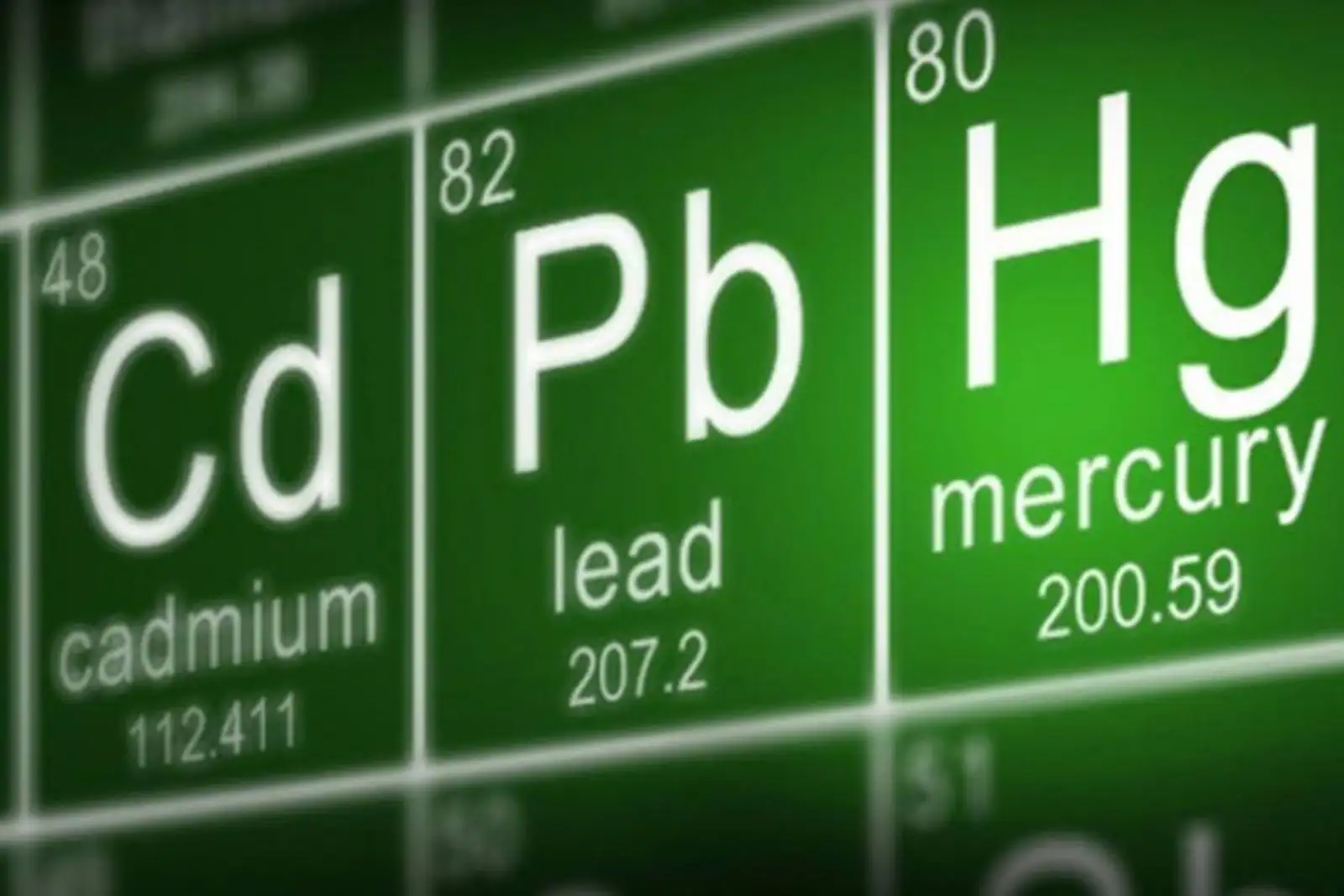
Many individuals in the GTA are unknowingly exposed to environmental toxins, heavy metals, and indoor air contaminants that can contribute to persistent, unexplained symptoms.

Our clinic offers a structured, evidence-informed approach to identifying and supporting toxic burden.

This service is often sought by patients experiencing:

Any of the following:

  • Chronic fatigue

  • Brain fog

  • Chemical sensitivities

  • Unexplained neurological symptoms

  • Complex chronic illness

Section Image

Testing & Treatment Options

Assessment may include heavy metal exposure testing (provoked and non-provoked), mold and environmental exposure evaluation, and comprehensive review of toxic burden patterns. Support may involve detoxification pathway optimization, targeted nutritional protocols, and when clinically appropriate, IV chelation therapy. All treatment plans are personalized based on individual history, symptom presentation, and laboratory findings to ensure safe, structured, and medically guided care.


Section Image

Could Your Environment Be Contributing?

Persistent symptoms without clear answers are sometimes linked to environmental exposure patterns. Water damage, mold exposure, occupational chemicals, heavy metals, and indoor air quality can all influence inflammation, immune function, and overall resilience. If symptoms worsen in certain environments or improve when away from home or work, environmental factors may be worth exploring.

Section Image

Home & Living Environment Risk Factors

Exposure concerns may include current or past water damage, basement dampness or flooding, visible mold, musty odors, HVAC issues, or prior mold remediation. Symptoms that improve when away from home can also be a meaningful clue. Even older exposure in previous residences can contribute to ongoing symptom patterns.

Section Image

Occupational & Environmental Exposure

Work environments such as healthcare settings, construction, renovation, agriculture, manufacturing, or older buildings may increase exposure risk. Additional factors include pesticides, herbicides, chemical cleaning agents, renovation dust, wildfire smoke, and recently installed furniture or materials. Repeated low-grade exposure over time may contribute to toxic burden accumulation.

Section Image

Sensitivity & Symptom Patterns

Increased sensitivity to smells or chemicals, headaches triggered indoors, brain fog, respiratory irritation, or multiple family members experiencing symptoms in the same space can signal environmental stressors. Common symptom patterns may include fatigue, cognitive changes, sinus congestion, digestive shifts, joint discomfort, skin reactivity, mood fluctuations, and sleep disruption.

Section Image

Heavy Metal & Medical Risk Factors

Potential heavy metal exposure may stem from amalgam fillings, occupational contact, high fish intake, older plumbing, or proximity to industrial areas. Additional risk amplifiers include autoimmune conditions, chronic inflammatory illness, fibromyalgia-like symptoms, IBS or dysbiosis, Lyme history, antibiotic overuse, and prior exposure to water-damaged buildings.

Section Image

Important Disclaimer

This information is intended for educational purposes only and does not diagnose mold illness or toxic exposure. It does not establish a doctor-patient relationship. Any recommendations for testing or treatment are based on individual clinical evaluation and comprehensive assessment, not solely on self-reported exposure history.

FAQs

Frequently Asked Questions

Common symptoms include fatigue, hormonal imbalances, digestive issues, skin problems, and mood fluctuations. Recognizing these signals is essential for effective treatment.

Naturopathy offers holistic assessments, individualized detoxification strategies, and lifestyle modifications aimed at reducing toxic load and enhancing overall well-being for women.

Implementing an organic, nutrient-dense diet focusing on detox-supportive foods can significantly aid in reducing environmental burdens and enhancing health.